Religious activist missing after police summons, family says
- 5 days ago
- 2 min read

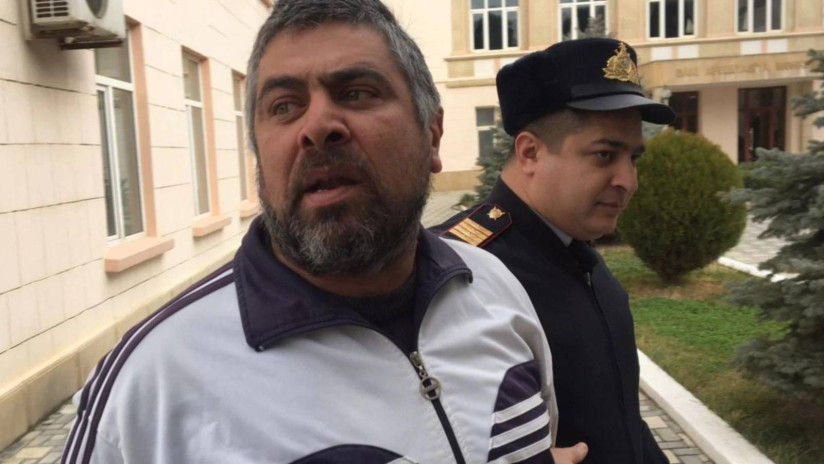
The family of Azerbaijani religious activist Samid Huseynov say they have not heard from him since he was summoned to a police station in Baku on 19 June.
His wife, Arzu Huseynova, told Azadliq Radio—the Azerbaijani service of Radio Free Europe/Radio Liberty—that her husband has been missing for several days after being called to a station in Zabrat, a settlement in the capital.
"He told me at around 10:00 that he was called to the police station in Zabrat and was going there," Huseynova said. "A short while later, I called him. The phone rang, but there was no answer. Then it was switched off."
The family, who live in Lankaran in southern Azerbaijan, said Huseynov had been working at a construction site in Mashtaga, near Baku. They fear he is being held in custody and may be subjected to torture.
Huseynov has previously faced detention. In the summer of 2022, he was sentenced to 30 days of administrative detention after raising a black flag for the Shia Muslim commemoration of Ashura on a communication tower in the Ramana settlement.
At the time, the Ministry of Internal Affairs said religious ceremonies must only be held inside registered places of worship, stating that Huseynov was arrested for violating these regulations.
In 2023, Huseynov was sentenced to two years in prison on drug charges, which his family maintains were fabricated to punish him for his religious activism.
Azerbaijani authorities have not commented on Huseynov’s current whereabouts or legal status.
The incident comes as Shia Muslims mark Ashura, the tenth day of the Islamic month of Muharram, which falls on 25 June.
According to reports from human rights organisations, there are currently 328 political prisoners in Azerbaijan. Activists say more than half of these are religious believers convicted on drug charges, accusations they deny.
Azerbaijani officials deny holding political prisoners, maintaining that individuals are prosecuted only for specific criminal offences and not for their political or religious beliefs.


Comments