How the Iran War and Hormuz Crisis Are Reshaping Azerbaijan's Strategic Calculus
- Apr 27
- 1 min read
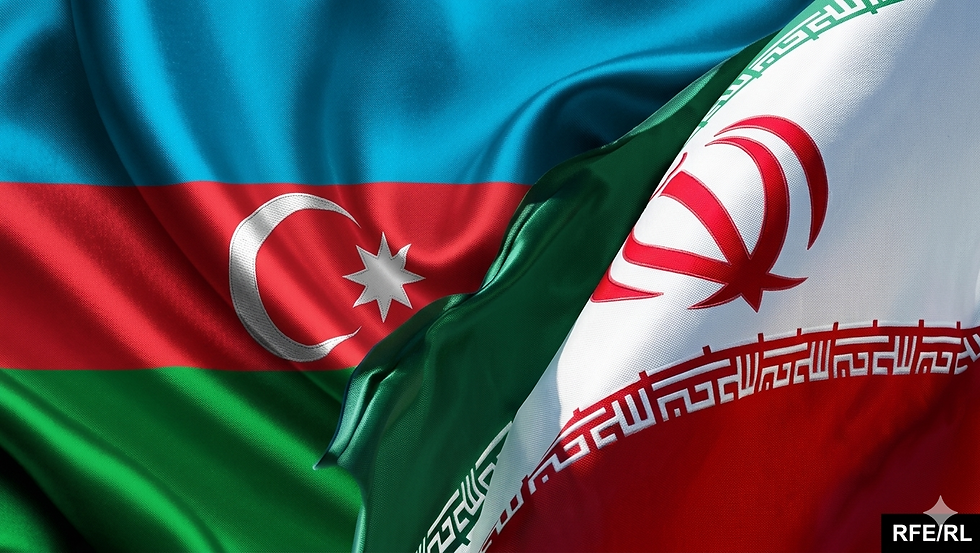
The ongoing US–Iran conflict is creating a complex geopolitical environment for Azerbaijan. Iran's restriction of transit through the Strait of Hormuz has disrupted global energy flows and rattled markets; while higher oil prices temporarily boost Azerbaijani export revenues, broader regional instability poses significant risks for the South Caucasus.
In a sign of the mounting tensions around the strait, Iran's Islamic Revolutionary Guard Corps announced the discovery and neutralization of over 9,500 cluster munitions in Zanjan Province, attributing them to unnamed "enemies." Separately, two container ships — the MSC Francesca and Epaminondas — were reported under IRGC naval control and anchored near the Hormuz Strait, illustrating the ongoing disruption to international shipping lanes.
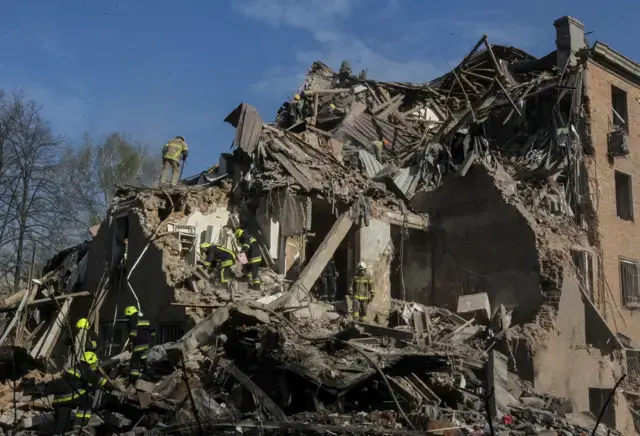
Azerbaijan shares an approximately 700-kilometer border with Iran and has a direct stake in the conflict's trajectory. Baku has so far maintained official stability in its relations with Tehran while openly supporting Ukraine's sovereignty — a balancing act that reflects the country's broader multi-vector foreign policy. By simultaneously hosting Zelensky and proposing Baku as a peace negotiations venue, Azerbaijan is positioning itself as an indispensable regional actor: one that can engage with all parties without being fully aligned with any.

Comments