The Life of Zamin Salayev in Azerbaijan’s Prison System
- Apr 20
- 2 min read
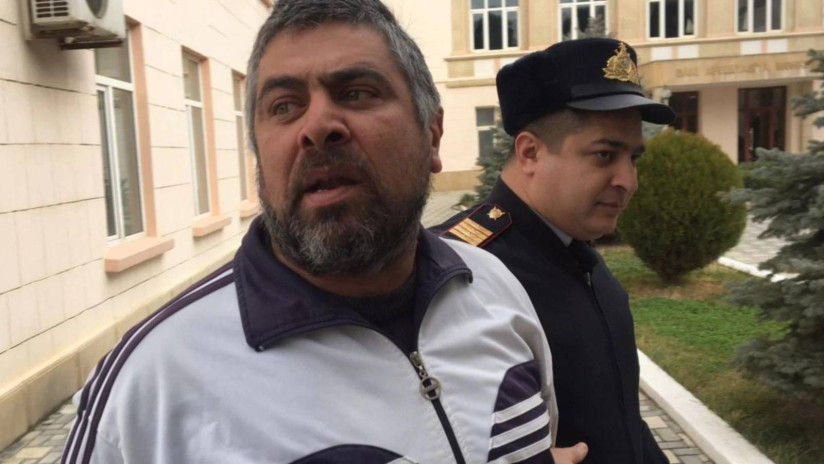
The situation for political activists in Azerbaijan has become critical, especially with the troubling reports from Prison No. 11. Zamin Salayev, an influential member of the Azerbaijan Popular Front Party (APFP), recently made a desperate appeal on social media, stating that his life is in immediate danger. Fellow activist Ceyhun Novruzov claims that Salayev’s protests against unfair rules and lawlessness in the prison have made him a target for harsh treatment.
Salayev’s predicament is especially concerning given his history of resistance. He was arrested in February 2023 on charges many consider to be fabricated, specifically "hooliganism with a weapon." He received a four-year prison sentence. In a strong act of defiance against this conviction, which he insists is political, Salayev went on a 114-day hunger strike. Despite worsening health, including a noted heart condition, reports suggest he continues to endure punitive actions, such as frequent isolation in solitary confinement.
The official response has been predictably vague. The Penitentiary Service typically claims that all prisoners receive legal treatment, but they have not answered specific questions about the threats to Salayev’s life or the reasons for his isolation. This lack of clarity is common in the cases of nearly 20 APFP members currently in long-term detention, including party leader Ali Karimli.
Salayev’s imprisonment is not his first brush with the judicial system. In 2020, he received a sentence of over two years after a public argument with a local police officer, whom he accused of misconduct toward a woman in Salyan. Although he was released early under an amnesty in 2022, his re-arrest illustrates a pattern of persecution faced by those who confront authority in the region.
As human rights groups estimate around 340 political prisoners in Azerbaijan, Salayev’s message from prison serves as a stark reminder of the dangers of political dissent. His statement, "If news of my death breaks, know that they killed me," reflects both a desperate plea for help and a serious critique of the current human rights situation in the country. The international community and local advocates continue to demand an immediate end to the repression faced by him and other conscience prisoners.


Comments