Azerbaijan's Parliament Responds Sternly to Europe
- Dec 20, 2025
- 2 min read

Tensions between Baku and Brussels rose this week when Azerbaijan's Parliament strongly responded to a recent resolution from the European Parliament. This exchange shows a growing disagreement about human rights and the rule of law, along with accusations of corruption on both sides.
The Issue: A Request for Release
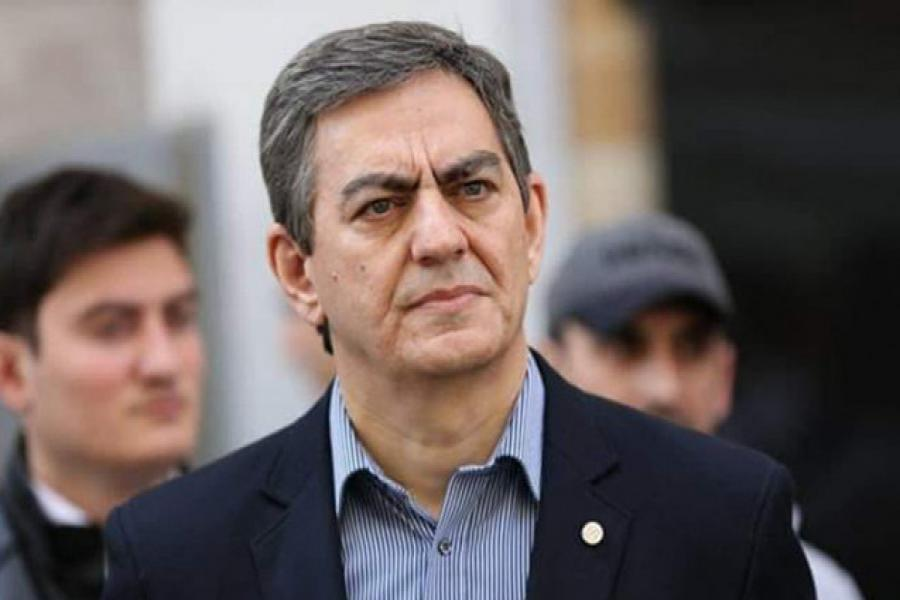
On December 18, the European Parliament approved a resolution that showed strong worry about the increasing number of political prisoners in Azerbaijan, which was reported to be almost 400 by early 2025. The resolution mentioned the cases of opposition leader Ali Karimli and young scholars Bahruz Samadov and Iqbal Abilov, and it asked for their quick release. European officials pushed the EU to consider its agreements with Azerbaijan, suggesting that further work together should depend on real progress in human rights and an end to pressure on activists and academics.
The Response: Claims of Corruption and Prejudice
Azerbaijan answered quickly. On December 19, Speaker Sahiba Gafarova and the Parliament passed a statement calling the resolution a biased political act and an interference in the country’s legal actions. Azerbaijani representatives claimed that the European Parliament is using human rights as an excuse to hide provocative intentions and attacks against the country.
The most surprising part of the Azerbaijani statement was its attack on the fairness of European groups. The Parliament said that corruption and bribery are common within the European Parliament. It claimed that resolutions are often ordered by certain groups for money. The statement went on to say that the European body has become a place for prejudice against Islam and Turks, stating that these resolutions do not influence Azerbaijan’s policies.
The Irony of Past Actions
While the Parliament now accuses Europe of bribery, observers find the timing of these claims very ironic because of the Caviar Diplomacy situation. This situation involved Azerbaijan trying to influence European politicians between 2012 and 2017.
Investigations showed how groups connected to Baku used money, goods, and trips to get votes and stop criticism of Azerbaijan's human rights record within the Council of Europe and the European Parliament. This led to police searches, resignations, and the conviction of a former German official for his part in the bribery.
A Difficult Partnership
As the talking gets tougher, the future of Azerbaijan-EU relations is unclear. Baku says that its citizens are only charged for criminal acts and dismisses international complaints as untrue. The European Parliament is speaking out about connecting partnerships to democratic standards.
With both sides accusing each other of corruption and legal overreach, the relationship between them seems weak. Whether this is short-term or a shift away from working with Europe is a key question for the coming year.


Comments