Abzas Media Director Ulvi Hasanli Begins Indefinite Hunger Strike Over Failed Transfer
- Jul 21, 2025
- 3 min read
Updated: Jul 22, 2025

Baku, Azerbaijan – Ulvi Hasanli, the imprisoned director of the independent media outlet "Abzas Media," has announced an indefinite hunger strike, effective July 20, 2025. His decision stems from the Penitentiary Service's (PS) persistent failure to comply with a court order for his transfer to the Baku Pre-trial Detention Center (BPDC).
In a public appeal, Hasanli stated that the Baku Court of Grave Crimes granted his lawyer Zibeyda Sadygova's motion for his transfer on July 3. Despite this judicial decision being submitted to the Penitentiary Service more than 15 days ago, the transfer has not been carried out. "It seems the Penitentiary Service disregards court decisions and considers itself superior to the court," Hasanli remarked.
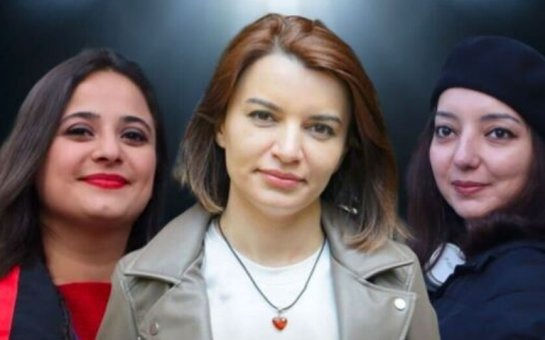
This is not Hasanli's first hunger strike. He previously undertook a 9-day hunger strike, which he halted due to serious concerns for the health of his female colleagues, who had also begun hunger strikes in solidarity. He noted that Rauf Nabiyev, the head of the Penitentiary Complex in Umbakı settlement where he is currently detained, had repeatedly promised his transfer to the BPDC by July 12. This promise, however, was not fulfilled. Hasanli added that since the promised date, he waited an additional eight days, during which at least three prisoner transfers occurred to the Baku Pre-trial Detention Center, yet he was not among them.
The location of his current detention in Umbakı settlement, approximately 55-60 km from Baku, poses significant challenges for Hasanli. This distance severely impedes visits from his family, lawyers, and especially his 3-year-old child. "There are no conditions here to meet with my child. That's why I can't meet with them at all," he explained. He has repeatedly raised these issues with the prison leadership, who informed him that prisoner transfers fall under the Penitentiary Service's purview and that his concerns had been reported to them.
Hasanli views the Penitentiary Service's actions as "retaliatory" and a "deliberate act," believing it is a consequence of "our statements and writings." He highlighted the poor conditions and "inhumane treatment" faced by accused persons in his current facility, asserting that they are treated like "the most hardened criminals." While acknowledging these issues, he stressed that "the most important issue is the illegality of the Penitentiary Service and the suffering of my family members because of it."
Hasanli has firmly stated that he will only cease his indefinite hunger strike once he is transferred to the Baku Pre-trial Detention Center as per the court order. He explicitly holds General Mirsaleh Seyidov, the head of the Penitentiary Service and Deputy Minister of Justice, and President Ilham Aliyev responsible for any adverse incidents that may occur to him during his protest.
In a poignant request, Hasanli urged his female colleagues not to join his current hunger strike, expressing profound concern for their health. "I am seriously concerned about damage to their health. I will continue this protest alone," he emphasized. He concluded his appeal by publicly demanding that the Penitentiary Service leadership abandon their "retaliatory actions" and legally return him to the Baku Pre-trial Detention Center, extending his gratitude to all supporters.
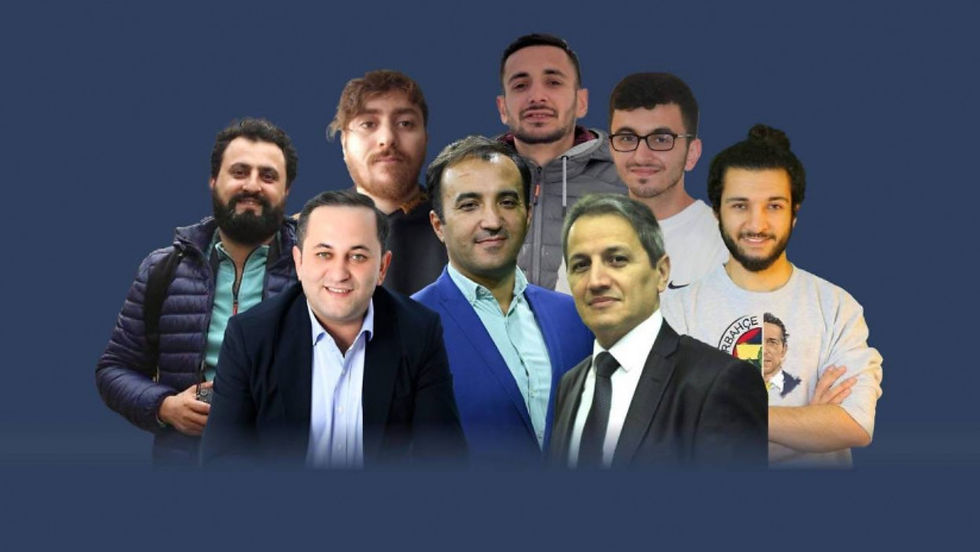
This development comes after sentences were handed down in the "Abzas Media case" on June 20 at the Baku Court of Grave Crimes. Ulvi Hasanli, along with editor-in-chief Sevinj Vagifgizi, investigative journalist Hafiz Babali, and Radio Free Europe/Radio Liberty journalist and economist Farid Mehralizade, were each sentenced to 9 years imprisonment. Journalists Nargiz Absalamova and Elnara Gasimova received 8-year sentences, while Abzas Media coordinator Mahammad Kekalov was sentenced to 7 years and 6 months. They face multiple charges, including smuggling, though the journalists and their defense teams maintain that the investigation failed to present substantial evidence.

Comments